From hiking Inspiration Point to kayaking the coast, this local’s guide covers the best outdoor activities and adventures in Santa Barbara — all year round.
The Best Santa Barbara Outdoor Guide for an Amazing Adventure
Most people come to Santa Barbara for the beaches. They leave wishing they’d brought hiking boots, a wetsuit, and an extra week. The outdoor life here is the real draw — a Mediterranean climate that makes almost every activity possible almost every day of the year, layered on top of mountains, ocean, and everything in between.
This guide covers the best outdoor activities in Santa Barbara, from the trails above the city to the kelp forests offshore. Whether you’re here for a weekend or planning a longer stay, we’ll help you make the most of every hour outside.
Ready to start planning? Book your Santa Barbara base camp — you’ll want a good home base to get out the door early every morning.
Hiking: Trails That Earn the View
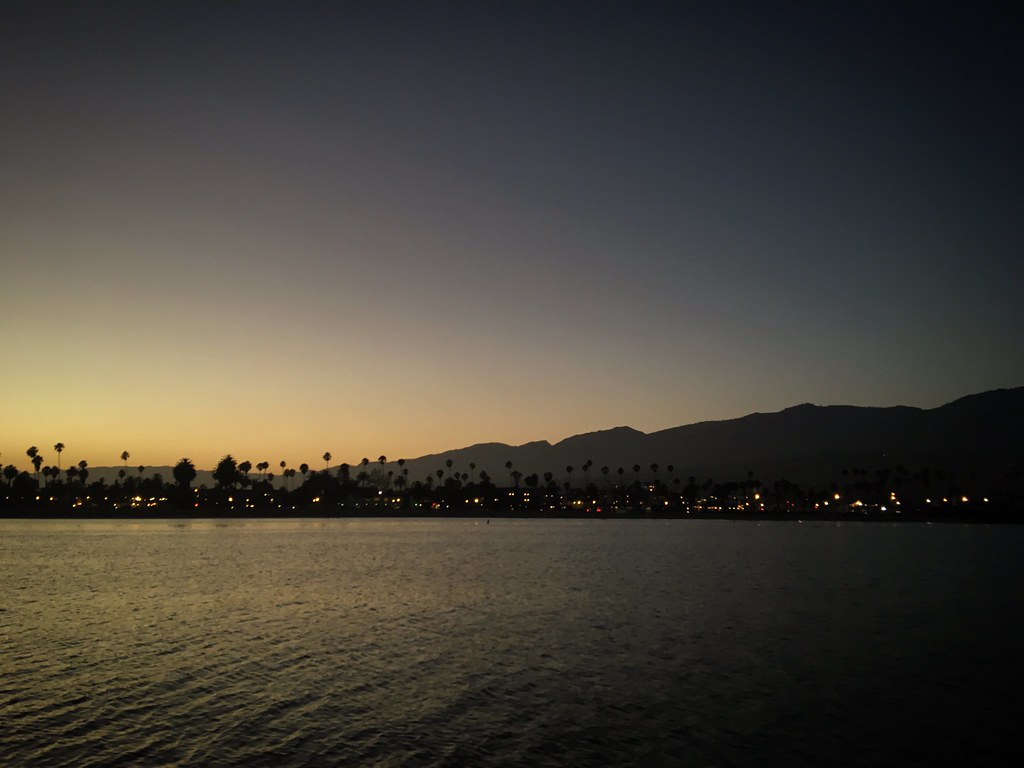
Santa Barbara’s trail system is one of its best-kept secrets from visitors — there are 65+ miles of maintained trails in the Santa Ynez Mountains directly behind the city. You can be at the trailhead in 15 minutes from downtown and feel completely removed from civilization in 20.
Inspiration Point is the classic intro hike. It’s a 3.5-mile out-and-back from the Tunnel Road trailhead that gains about 800 feet and ends at a ridge with views from the Channel Islands to Ventura. Park on Tunnel Road just past the junction with Mountain Drive — the trailhead is signed. Start early in summer; by 10am the parking is chaos.
Seven Falls is the local favorite for hot-weather hiking. The trail follows Mission Creek into Rattlesnake Canyon (yes, that’s really the name) and reaches a series of polished sandstone pools and cascades. The 3.8-mile route is shaded and ends at natural swimming holes that are genuinely refreshing in August. This trail gets muddy after rain — give it a day to dry out.
Cold Spring Trail runs up the east fork of Cold Spring Creek and is one of the best all-season trails in the range. The lower section through the riparian canyon is lush year-round; the upper section opens onto exposed chaparral with long views toward the Ojai Valley. You can extend to Montecito Peak for a full 8-mile day.
AllTrails has current conditions and reviews for all Santa Barbara trails. The Los Padres National Forest site posts fire and trail closures — worth checking before any backcountry day.
Local Tip: September and October are the best hiking months. Summer fire closures often lift, the heat breaks, and the light on the mountains goes golden. Trails that get crowded all summer suddenly feel quiet again.
Surfing: Where Locals Actually Go
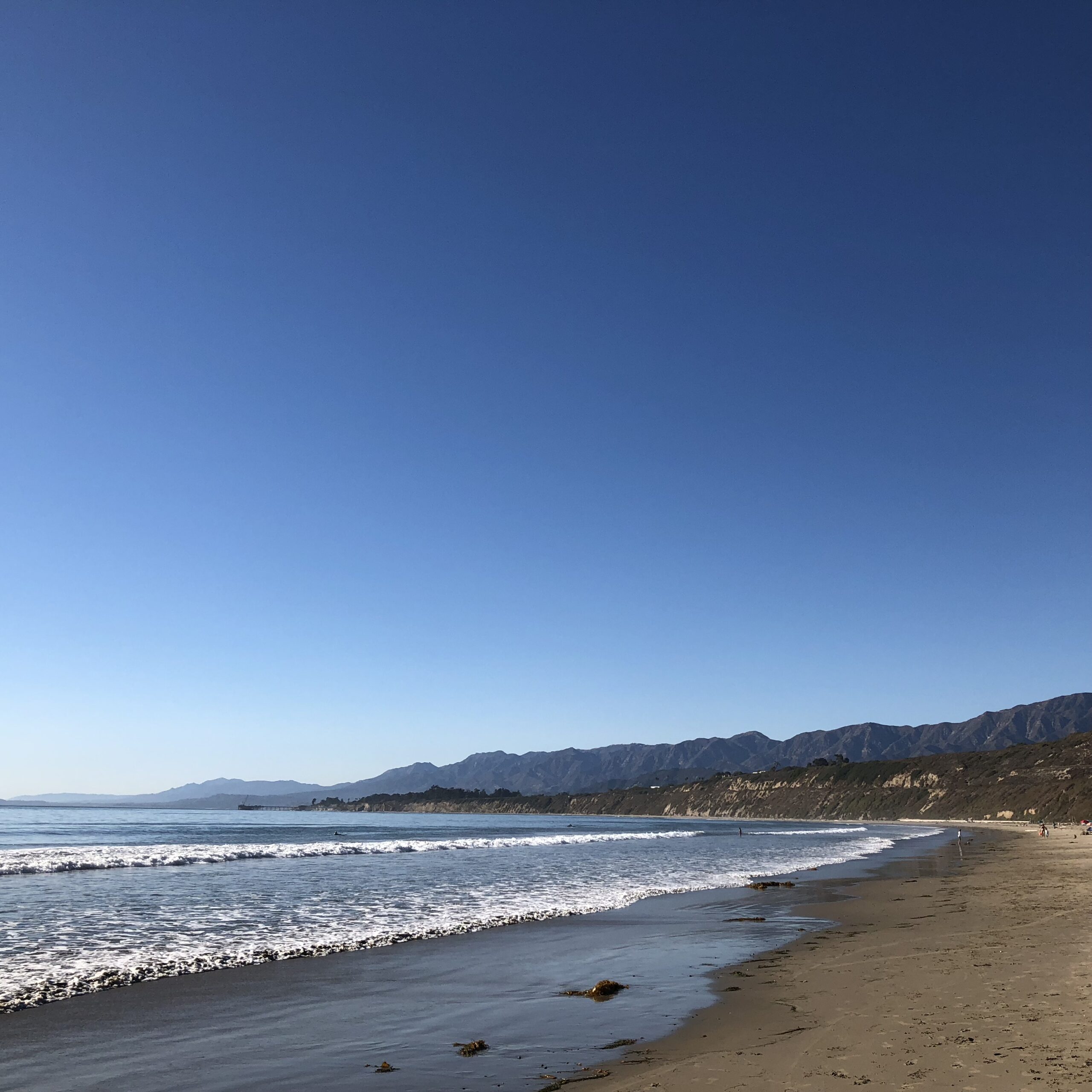
Santa Barbara has a legitimate surf culture and several distinct breaks worth knowing. The orientation of the coastline means the region gets best swell in winter and spring — but surf is findable year-round if you know where to look.
Rincon Point — at the Carpinteria/Ventura county line, about 20 miles east — is one of the most celebrated point breaks in California. Winter swells wrap around the point and peel for hundreds of yards. It draws serious surfers from all over the state. Parking is limited and contested on good days; arrive before 7am or you’re walking a long way.
Leadbetter Beach is the beginner and longboard spot, right in Santa Barbara proper. The break is mellow, the beach is wide, and there’s consistent year-round rideable surf when everywhere else is flat. Several surf schools operate here — this is where we’d point anyone learning.
Campus Point (at UCSB) picks up south swell well and breaks consistently in summer. It’s technically on university property but widely surfed — park along the highway and walk in.
If you want to rent a board or take a lesson, a guided surf lesson with gear included is the fastest way to get in the water without hauling your own equipment. Lessons typically run out of Leadbetter.
A travel-friendly shortboard makes the trip if you’re staying more than a couple days and already know how to surf. Otherwise, rent locally and save the bag fees.
Local Tip: The surf report at Surfline Santa Barbara is the one locals actually use. Check it the night before and you’ll know exactly where to be.
Kayaking and Paddleboarding
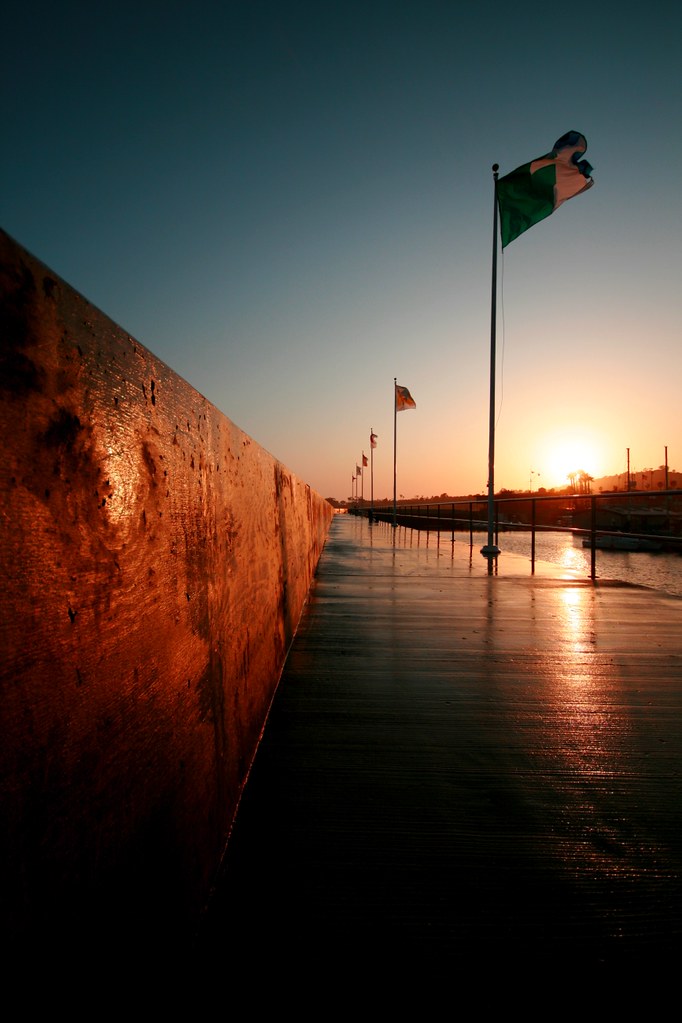
The Santa Barbara Channel is one of the most biodiverse marine environments on the West Coast. Paddling it — by kayak or SUP — puts you directly in that ecosystem in a way a boat never quite does. Sea otters, harbor seals, dolphins, and occasionally gray whales are all possible sightings.
The most accessible launch is from the Santa Barbara Harbor, where you can rent kayaks and paddleboards right on the water. The harbor itself is calm and beginner-friendly; once you clear the breakwater, you’re in open channel with the city’s coastline stretching east and the mountains rising directly behind it.
For a more remote experience, the stretch of coast between El Capitan and Refugio State Beach (about 20 miles west of the city) is excellent flat-water paddling when the swell is cooperative. You can launch from either beach and paddle between them — it’s about 3 miles each way, with sea caves and kelp beds along the way.
Guided kayak tours out of the harbor handle all the gear and navigation — worth it if you want to focus on the wildlife rather than route-finding. Tours typically run 2–3 hours and cover the kelp forest and harbor seals near the breakwater.
Stand-up paddleboarding is particularly good at Goleta Beach in the mornings before the afternoon westerlies kick up. The water is flat, the views of the Santa Ynez Mountains are excellent, and you’re unlikely to get run over by a jet ski.
Local Tip: Channel Islands Kayak Center (cikayak.com) runs guided paddles and rents quality gear. For harbor access, Wheel Fun Rentals along Cabrillo Boulevard also rents SUPs by the hour.
Whale Watching and Wildlife on the Water
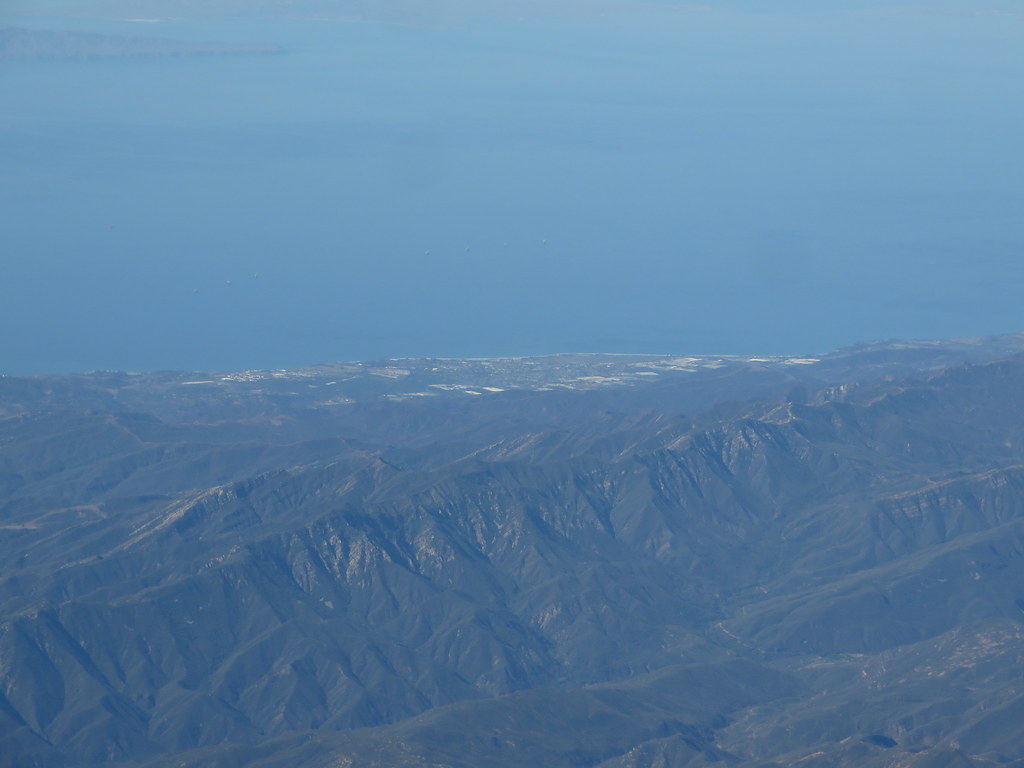
The Santa Barbara Channel sits between the mainland and the Channel Islands, and the deep cold-water upwelling it generates makes it one of the most productive whale migration corridors on the Pacific coast. Gray whales pass through December through April on their run between Baja and Alaska. Blue whales — the largest animals on earth — feed in the channel from June through October when the krill blooms.
Condor Express (condorexpress.com) is the go-to whale watching operator out of Santa Barbara Harbor. They run high-speed catamarans that cover serious ground quickly — important when blue whales are spread out across the channel. Their naturalists are excellent and the trip is genuinely educational, not just a boat ride.
Book a whale watching excursion through Viator to compare operators and schedules in one place. Peak season varies by species — call ahead or check the operator websites for current sighting reports.
Beyond whales, the harbor area has resident brown pelicans, cormorants, and California sea lions year-round. Walk the harbor breakwater in the morning and you’ll see all of them without getting on a boat.
Local Tip: Blue whale season (July–September) overlaps perfectly with the best beach weather. Book a morning whale watch, then spend the afternoon at the beach — it’s the ideal Santa Barbara day.
Cycling the Coast and Beyond
The Cabrillo Bike Path runs 3 miles along the waterfront from the harbor to UCSB — flat, paved, separated from traffic, and one of the most scenic stretches of urban cycling in California. On a clear morning, you’ve got ocean on one side and the mountains on the other. Families, commuters, and tourists all share the path.
Wheel Fun Rentals operates multiple stands along the path and rents single-speed cruisers, tandems, and quadricycles by the hour — no reservation needed. If you have your own bike, the path connects to the broader Santa Barbara street network and with some navigation you can string together longer routes through Montecito and down to Carpinteria on relatively quiet roads.
Mountain bikers have good options in the foothills. The Romero-Camuesa Road network and the trails above Goleta offer technical and intermediate singletrack. Check trail conditions before heading up — the fire roads can get torn up after rain.
A solid helmet is the one piece of gear you should bring from home if you’re planning any off-pavement riding. Rentals don’t always stock quality lids.
Local Tip: The stretch from Carpinteria to Santa Barbara along US-101 has a designated bike lane on the frontage roads. It’s about 12 miles and an excellent half-day ride if you’re fit. Take the Amtrak back — bikes ride free.
Camping Along the Gaviota Coast
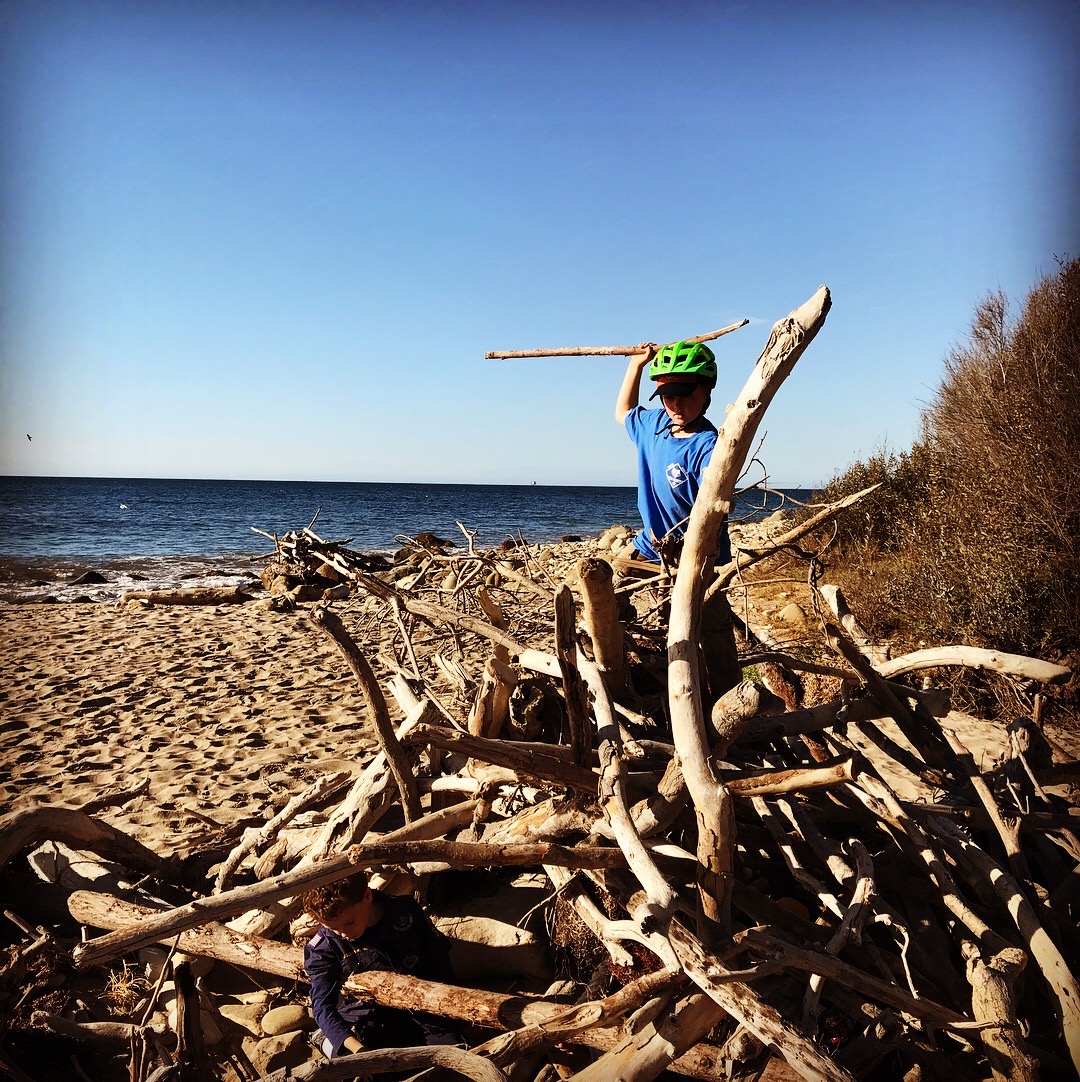
The Gaviota Coast — the 76-mile stretch of undeveloped coastline running northwest from Santa Barbara — has some of the best camping in Southern California. Two state beach campgrounds anchor it: El Capitan and Refugio, about 20 and 23 miles west of the city respectively.
El Capitan has 130 sites split between blufftop (ocean views) and canyon (eucalyptus shade, more privacy). Refugio is smaller and more intimate, with a palm grove, tide pools, and a reputation among families for being friendlier and less competitive to book.
Both campgrounds book through ReserveCalifornia.com — sites open 6 months in advance and peak summer fills fast. September and October are the sweet spot: the summer crowds are gone, the water is still warm, and the fall light is exceptional.
For backpacking, the Santa Ynez Mountains and Los Padres National Forest behind the city have multiple overnight routes. The Snyder Trail to Camuesa Road loop is a solid two-day option. Permits aren’t required for most routes, but check fire status before any trip.
A lightweight backpacking tent handles both car camping and overnight hikes if you want to cover both. For car camping, a comfort-focused setup makes the experience — bring a real sleeping pad and a chair.
Local Tip: The blufftop sites at El Capitan (91–130) have the best views but the most wind. Canyon sites (40–60) offer better shelter and real shade from the eucalyptus — worth it if you’re camping in summer heat.
Horseback Riding and Ranch Experiences

Santa Barbara’s ranching heritage runs deep — the Valley behind the Santa Ynez Mountains is genuine ranch country, and horse culture has been part of the local identity since the Spanish land grants. There are several ways to get into that world as a visitor.
Horseback riding excursions through the foothills offer a completely different perspective on the landscape. You cover ground that trails don’t reach and see the mountains from a vantage point most visitors never experience. Several outfitters operate out of the Santa Ynez Valley and the mountains above Ojai.
Guided horseback rides through the Santa Ynez Valley run 1–3 hours and typically include a guide who knows the local terrain and can answer questions about the ranching history. Morning rides are best — afternoon wind can make the valley uncomfortable in summer.
The Santa Barbara Polo & Racquet Club holds matches on Sundays from April through October at the polo fields in Carpinteria. It’s one of the most unexpected outdoor experiences in the region — free to watch from the sidelines, with a genuine spectator culture and tailgating atmosphere.
Local Tip: The polo matches run roughly 1pm–4pm on Sundays. Bring chairs, a blanket, and something cold to drink. Parking is free and the whole thing feels more like a local festival than a stuffy equestrian event.
Channel Islands: The Day Trip That Changes Everything
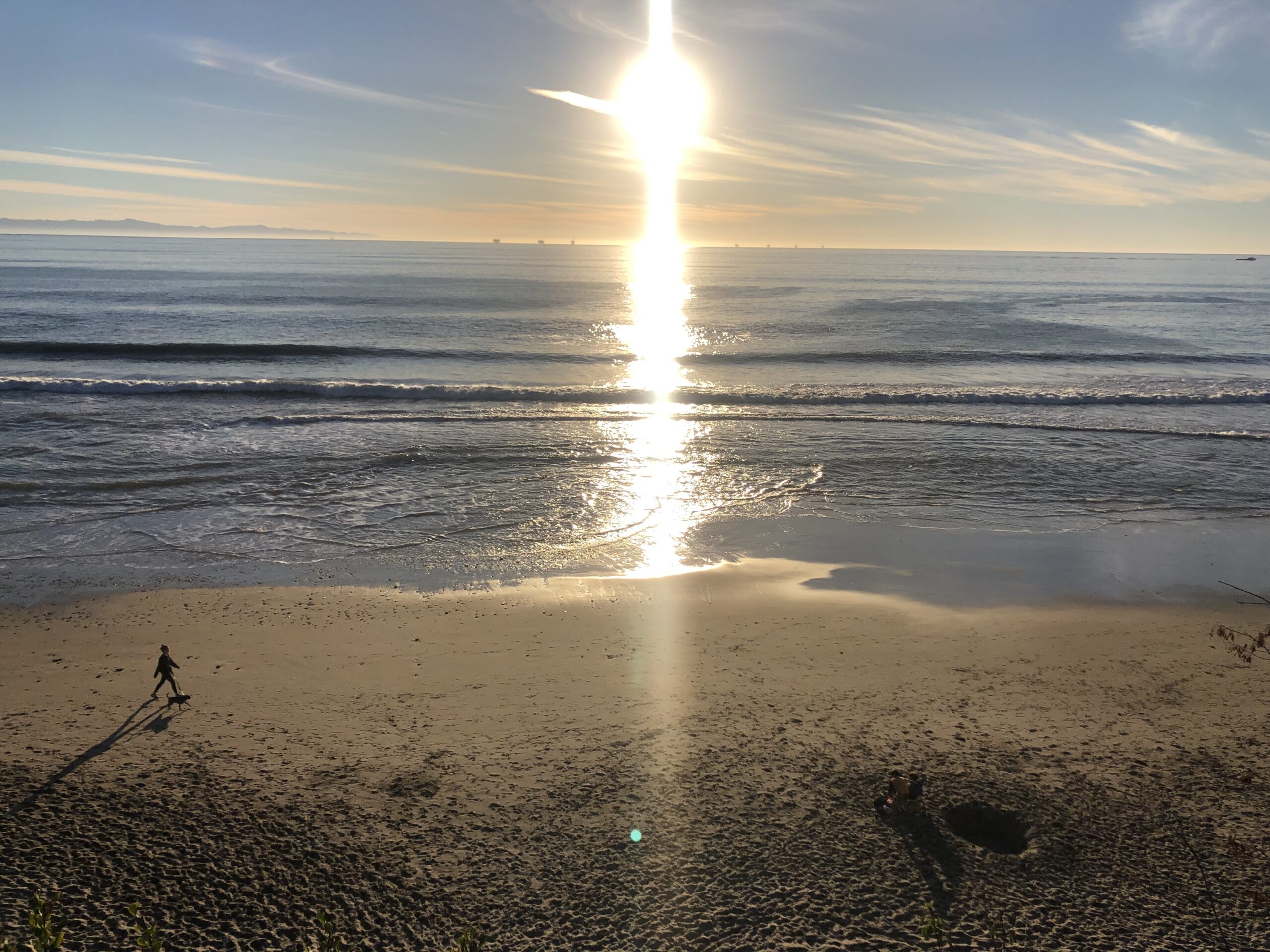
The Channel Islands are 25 miles offshore and feel like a different world. Five islands make up Channel Islands National Park — Anacapa, Santa Cruz, Santa Rosa, San Miguel, and Santa Barbara Island — and the combination of hiking, snorkeling, kayaking, and wildlife viewing is unlike anything else on the California coast.
Getting there requires a boat from Ventura Harbor (about 30 miles south of Santa Barbara — roughly an hour’s drive). Island Packers (islandpackerscruises.com) is the primary concessionaire and runs daily trips to multiple islands in season. The crossing takes 60–90 minutes depending on the island and the sea state.
Don’t have a car? Rent one for the day — the drive down to Ventura Harbor is straightforward on US-101 and takes about 45 minutes.
Santa Cruz is the largest and most visited island — good day hike to Cavern Point with sweeping views, plus sea caves on the north shore that are spectacular by kayak. Anacapa is the closest and most dramatic in appearance — the lighthouse arch and the sheer cliffs are iconic. San Miguel is the most remote and has the famous seal and sea lion rookery at Point Bennett — thousands of animals in one place.
Day trips work well for Anacapa and Santa Cruz. For San Miguel or Santa Rosa, plan an overnight — the crossing is longer and a short visit doesn’t justify the time. Camping permits are available through the National Park Service.
Local Tip: Book Island Packers as early as possible in summer — the boats fill weeks out. Spring and fall have more availability and often better conditions: calmer crossings, fewer tourists on the islands, and the same wildlife.
When to Go and How to Plan Your Trip

Santa Barbara’s outdoor season is essentially year-round, but the sweet spot depends on what you’re doing.
September–October is peak for almost everything: warm water for kayaking and surfing, clear skies for hiking, whale watching shoulder season (blue whales depart, gray whales haven’t arrived yet but the channel is still productive), and significantly smaller crowds than summer. If you’re flexible on timing, this is when to come.
November–February is whale watching season proper, with gray whales reliably in the channel. Hiking is excellent — the chaparral greens up after the first rains, the air is crisp, and the mountains often get a dusting of snow on the higher peaks. The city stays warm enough for beach walks even in January.
March–May brings wildflowers on the mountain trails and the best conditions for the Channel Islands. Spring hiking is spectacular, and the crowds haven’t built yet.
June–August is peak season — warm beach weather, reliable surf, and everything running at full capacity. Great for families; just expect crowds at the popular spots and book everything well ahead.
If you need a place to stay, Santa Barbara hotels range from boutique inns near the harbor to historic properties on the Riviera with mountain views. Book early for summer and fall weekends — the city fills up fast.
For more on what to do while you’re here, the Visit Santa Barbara site has current event listings and seasonal guides. The Santa Barbara Independent covers local news and events worth checking before you arrive.
Santa Barbara’s outdoor life isn’t a side attraction — it’s the main event. Book your stay now and build your itinerary around everything above — the mountains and the ocean will give you more than you planned for.