Everything you need to know about Stearns Wharf — parking tips, the best seafood, whale watching, the Sea Center, and when locals actually go. From someone who lives here.
Stearns Wharf: The Best Santa Barbara Guide You’ll Love
If you’ve driven down State Street toward the ocean, you’ve seen it — a long wooden pier stretching nearly half a mile into the harbor, dotted with flags and fishing lines and the occasional pelican. Stearns Wharf is the oldest and longest working wharf on the US West Coast, built in 1872, and it’s still very much in use. Fishing boats, harbor seals, whale watching vessels (trips depart right from the harbor), and yes, plenty of tourists. But don’t let that stop you. Locals go there too, especially early in the morning or late in the afternoon when the light turns golden and the crowds thin out. This guide covers everything you need: where to park, what to eat, what’s actually worth doing, and how to time your visit so you’re not stuck in a tour group traffic jam.
Getting There and Parking

Here’s the honest parking advice locals give each other: don’t try to drive onto the wharf if you can avoid it. The wharf lot charges $2.50 per hour, and some restaurants will validate, but the lot fills up fast on weekends and the line of cars idling at the entrance is its own special kind of frustration.
The better move is to park on Cabrillo Boulevard, the road that runs along the beach. Street parking there is metered but usually more available, especially if you walk a block or two east or west. You can also park in the lots along the beach path — they’re the same price and a short, pleasant walk to the wharf entrance. If you’re coming from downtown, State Street ends basically at the wharf, and the walk from the lower State Street blocks is easy and flat.
If you do need to drive onto the wharf — say, you have mobility limitations or you’re hauling fishing gear — go early. By 10am on a summer Saturday, the lot can already be backed up. Weekday mornings are almost always easy.
One thing worth knowing: the wharf itself is free to walk. You don’t pay to go out there. Parking is the only cost if you’re not eating somewhere that validates.
What to Eat on the Wharf
There are a few restaurants on the wharf, and they are not all equal. Here’s the honest breakdown.
Santa Barbara Shellfish Company is the locals’ pick, full stop. It’s a casual, counter-service spot at the far end of the wharf with outdoor seating right over the water. The garlic shrimp is the thing to order — big, messy, cooked in butter and garlic, served with bread. The seafood boils are solid, the fish tacos are respectable, and the whole vibe is unpretentious in the best way. You’ll probably share a picnic table with strangers. That’s fine. The view from those tables, looking back at the mountains and the harbor, is legitimately one of the better lunch spots in the city.
Harbor Restaurant is the sit-down option with full table service and ocean views from inside. It’s fine. The food is competent, the location is great, and it’s a reasonable choice if you want something more structured. Locals tend to go there for happy hour or a quiet weeknight dinner rather than a midday tourist crush.
Mermaid Bar is a good option if you want something lighter — drinks, appetizers, a quick bite without committing to a full meal. The deck seating is worth grabbing when it’s available.
General rule: if you want seafood and you’re on the wharf, go to Shellfish Company. If you want a sit-down meal with harbor views and you’re not in a hurry, Harbor Restaurant works. Skip the wharf entirely for dinner if you’re looking for the best Santa Barbara has to offer — State Street and the Funk Zone have stronger options for a real evening out.
Sea Center and Things to Do on the Wharf
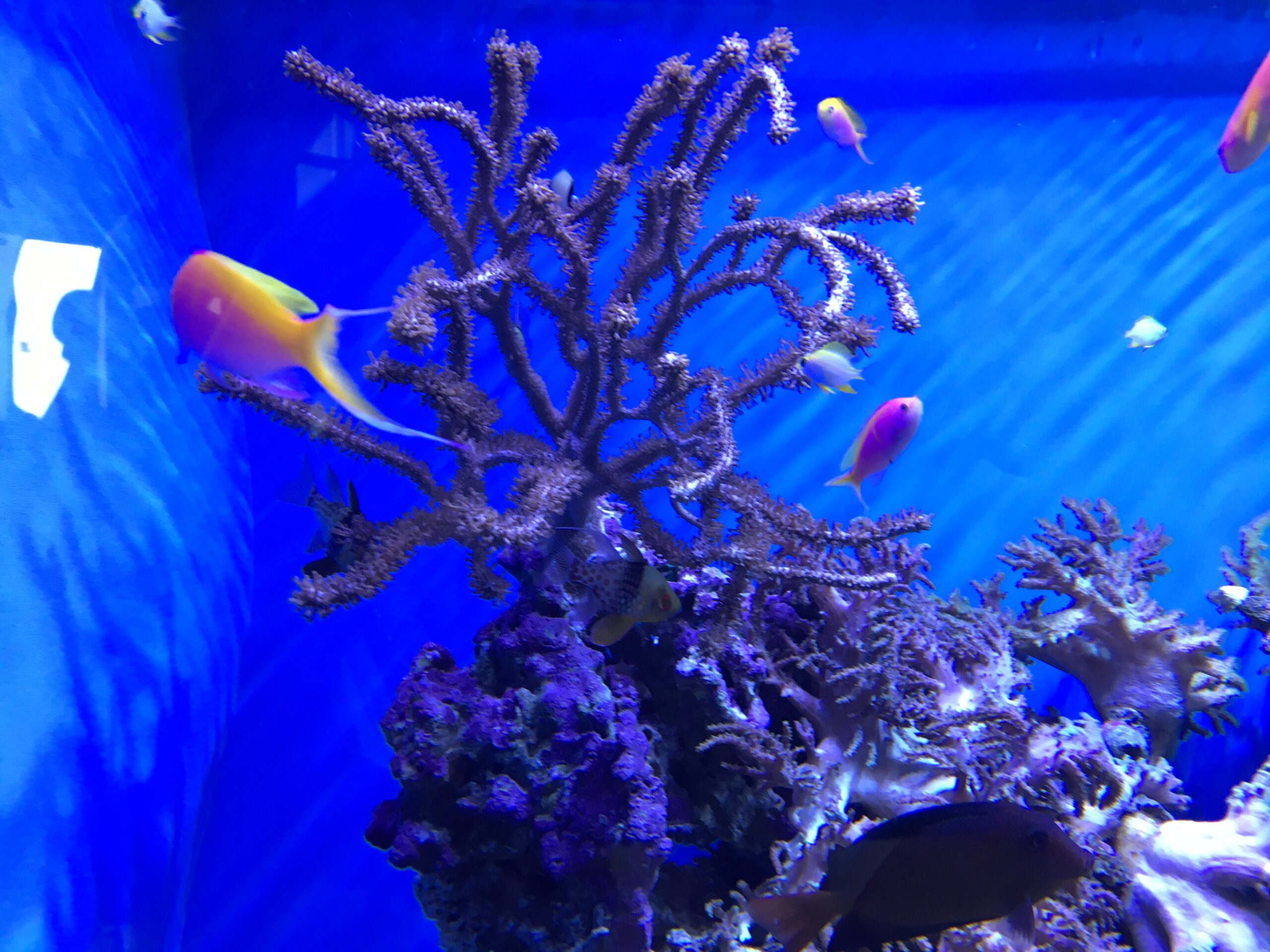
The Sea Center sits about halfway down the wharf and it’s run by the Santa Barbara Museum of Natural History. If you’re coming with kids, this is the reason to visit. There are touch tanks where you can handle sea stars and urchins and small sharks, marine exhibits explaining the local ecosystem, and a two-story layout with views out over the water from the upper level. Admission is around $8-10 for adults, less for kids — worth it if you have little ones in tow or if you’re genuinely curious about what lives in the Santa Barbara Channel.
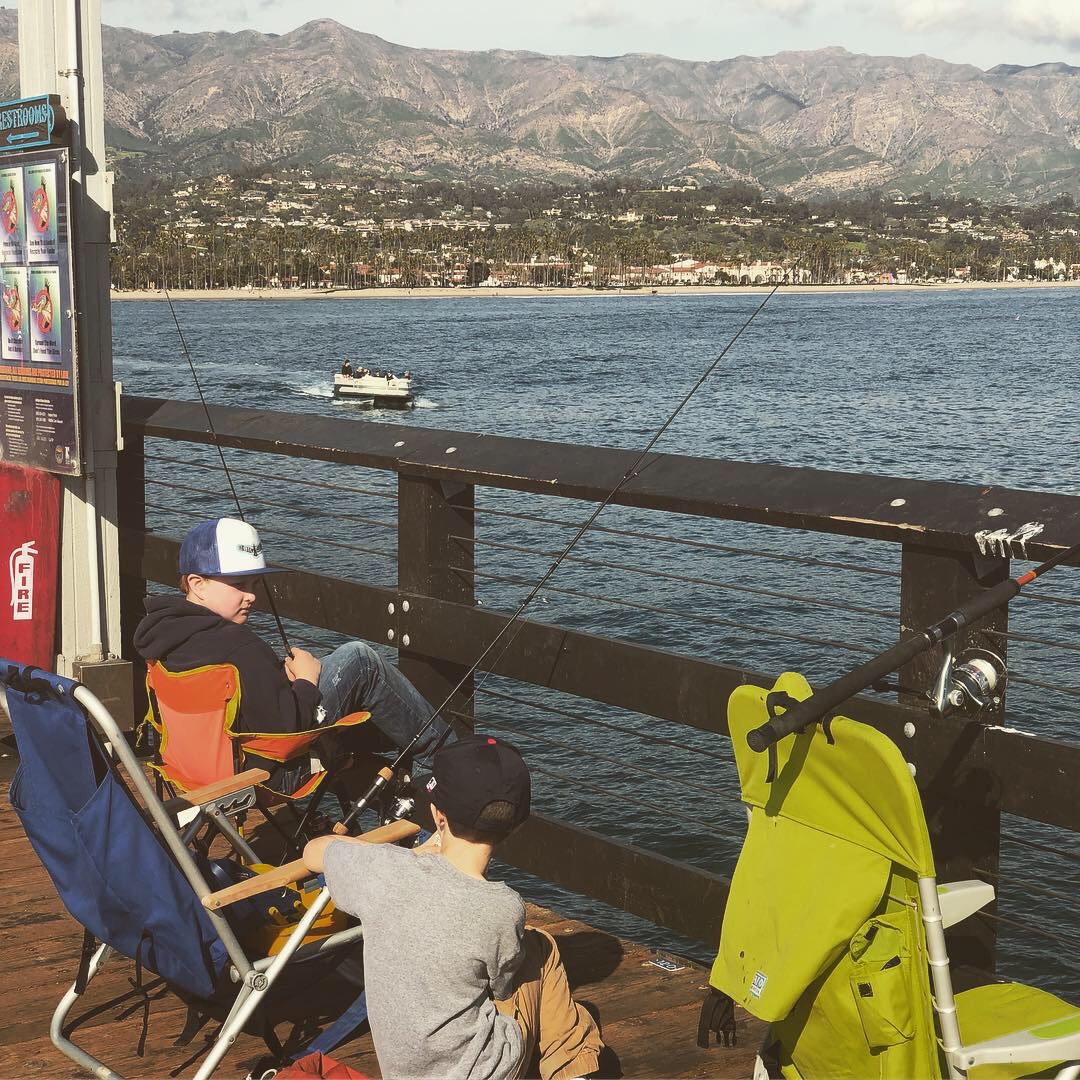
Fishing is allowed from the wharf, and you’ll regularly see people set up with rods along the railings, especially toward the end. You don’t need a fishing license to fish from a public pier in California, which makes this one of the easier ways to try your hand at it. Common catches include mackerel, jacksmelt, and the occasional halibut. Gear rental is available nearby if you don’t want to bring your own — check shops along the harbor. Grab a basic pier fishing setup on Amazon before you go — it’s the easiest way to jump in without renting gear on the day.
Walking the wharf is free and worth doing slowly. Stop partway out and look back at the city — the red-tile rooftops against the mountains is the view that ends up on postcards, and it’s legitimately good. Look down through the wooden planks at the water below. Watch the harbor seals lounging on the buoys in the channel. Bring binoculars if you have them; the seals and sea birds are more interesting up close. A compact pair of binoculars is small enough to fit in a bag and makes a real difference for spotting marine life from the wharf end.
The wharf gift shops exist, and they sell what you’d expect. No strong recommendations here — your money is better spent on garlic shrimp.
Whale Watching and Harbor Tours
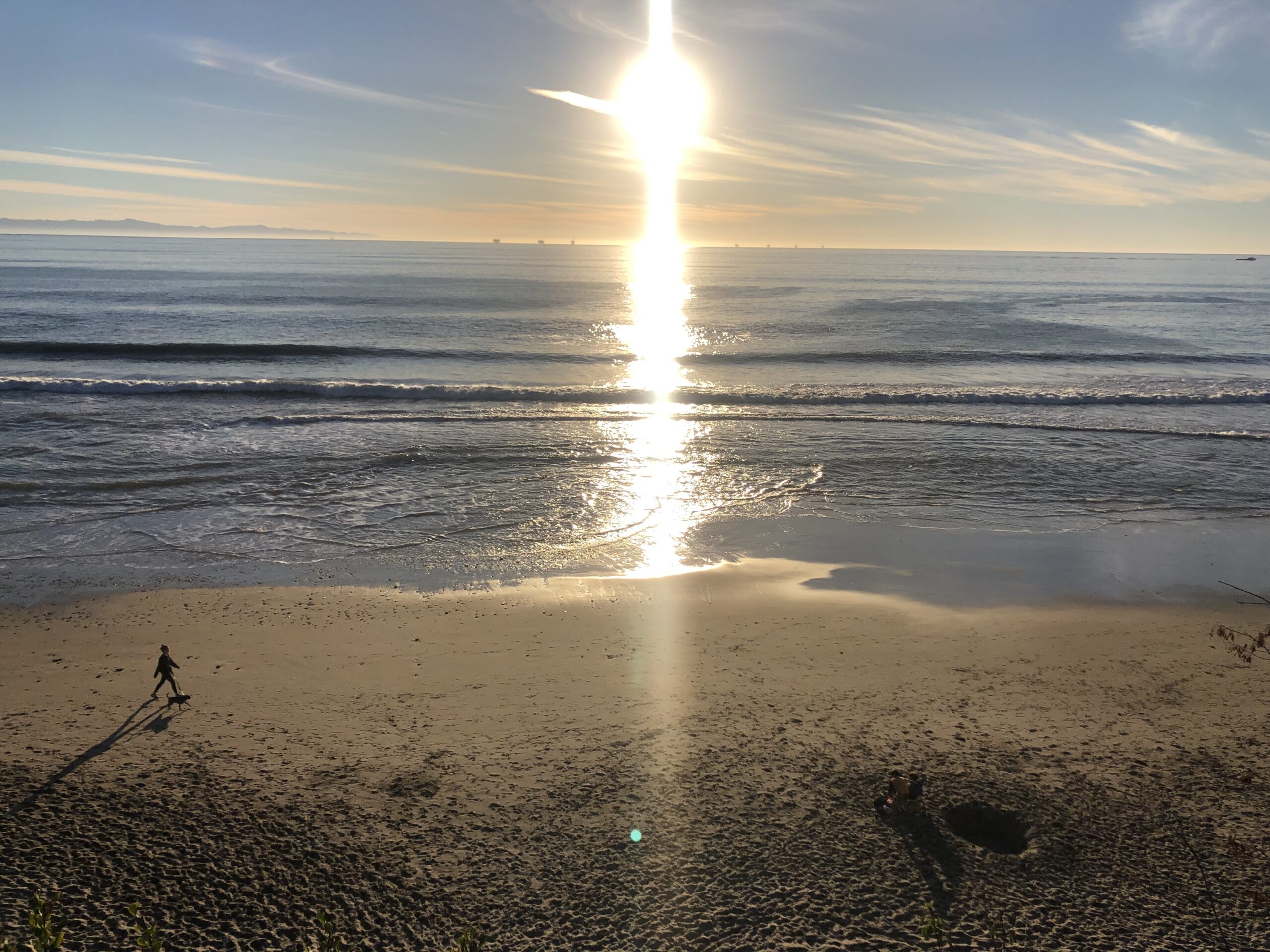
The harbor sits right next to the wharf, and that’s where you’ll find the boats that make Santa Barbara genuinely special for marine life viewing.
Condor Express (condorexpress.com) runs whale watching trips out of the harbor, and they’re consistently good. Santa Barbara is positioned near one of the richest feeding grounds on the California coast — the Santa Barbara Channel has deep cold upwellings that bring in massive amounts of krill and small fish, which in turn attract blue whales, humpbacks, gray whales, and dolphins in impressive numbers depending on the season. Blue whale season runs roughly June through October, which is when locals make a point of booking a trip even if they’ve lived here for years. Book a whale watching trip from Santa Barbara if this is on your list — the channel delivers.
Double Dolphin (doubledolphin.com) runs sailing trips in the harbor — a classic catamaran that does sunset cruises and daytime sails. It’s a relaxed way to see the coastline from the water and understand why everyone who visits wants to stay. Good for couples, easy for families.
Channel Cat (channelcatsailing.com) is another sailing option out of the harbor with a similar setup — harbor tours and coastal sails on a smaller vessel. Worth checking if Double Dolphin is booked out.
All three operate out of the harbor area just west of the wharf. Walk to the end of the wharf, look to your right, and you’ll see the docks. If you’re trying to combine a harbor tour with a wharf visit, it’s an easy morning: tour first, then walk the wharf and grab lunch at Shellfish Company.
Best Time to Visit
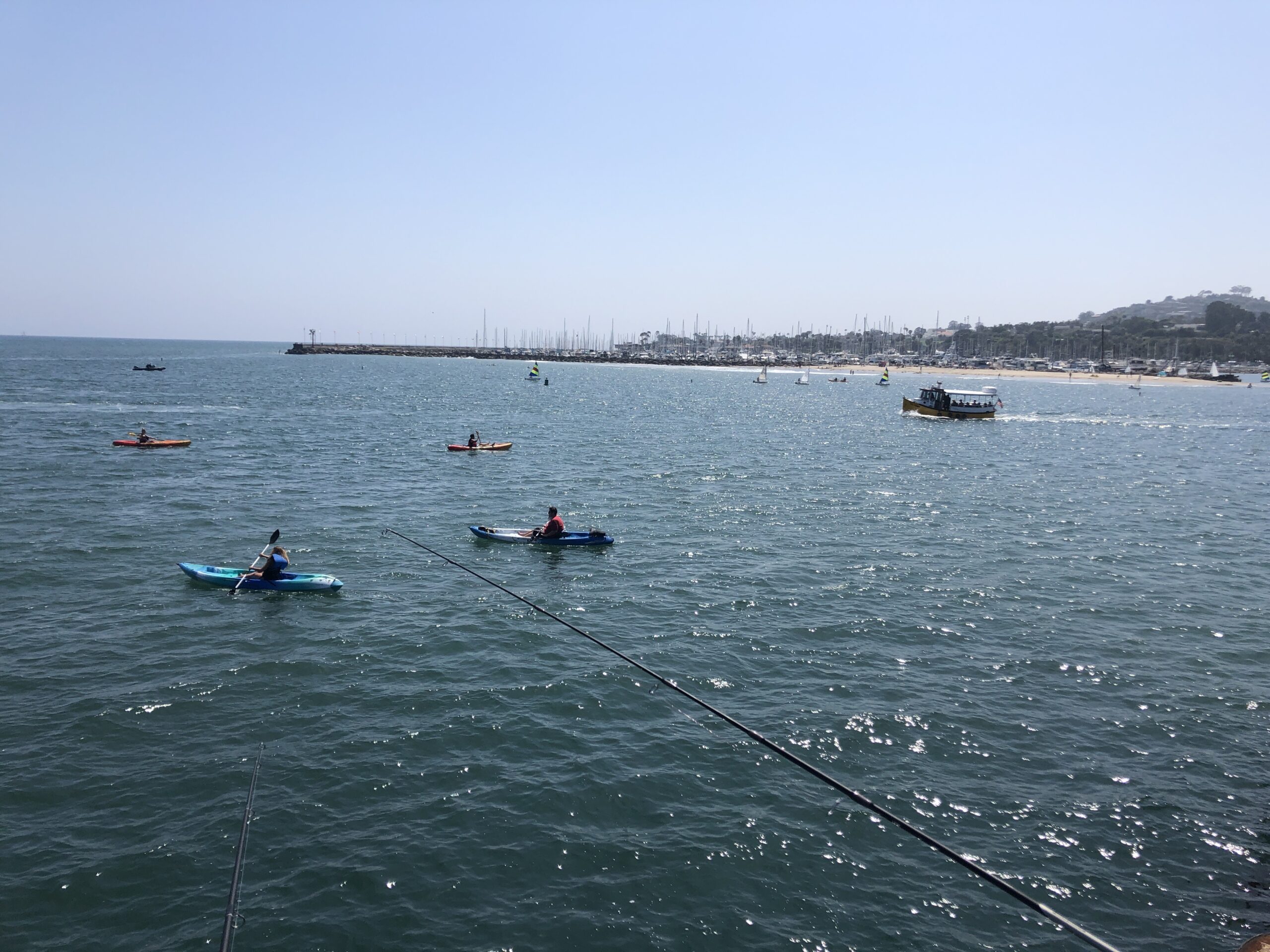
The wharf is worth visiting at specific times and something to navigate carefully at others.
Early morning is the locals’ favorite window. In summer, the marine layer usually burns off by 9am, but before that the light is soft and the wharf is quiet. Fishermen are out, the pelicans are active, and you can walk the full length without dodging a single tour group. Bring a coffee from downtown — there’s nothing quite like standing at the end of the wharf in the morning fog watching the harbor wake up.
Late afternoon is the other sweet spot, especially from 4pm onward. The cruise ship day-trippers have usually moved on, the light gets warm and directional, and the sunset from the wharf — looking west over the ocean — can be genuinely spectacular. This is when to come if you want photos that don’t have crowds in them.
Midday on summer weekends is the busy period to plan around. The wharf is perfectly enjoyable, but you’ll be sharing it with a lot of people, parking will be a challenge, and Shellfish Company will have a wait. If that’s when you’re visiting, go to the end of the wharf first (fewer people thin out past the Sea Center) and plan on eating either before noon or after 2pm.
Winter and shoulder season are underrated. The wharf is dramatically less crowded from November through February, the weather is usually mild (Santa Barbara rarely gets cold enough to make an outdoor walk unpleasant), and the gray whale migration runs December through April. Whale watching in winter with a nearly-empty boat and migrating grays is a genuinely different experience than the blue whale summer crowds.
Staying Nearby
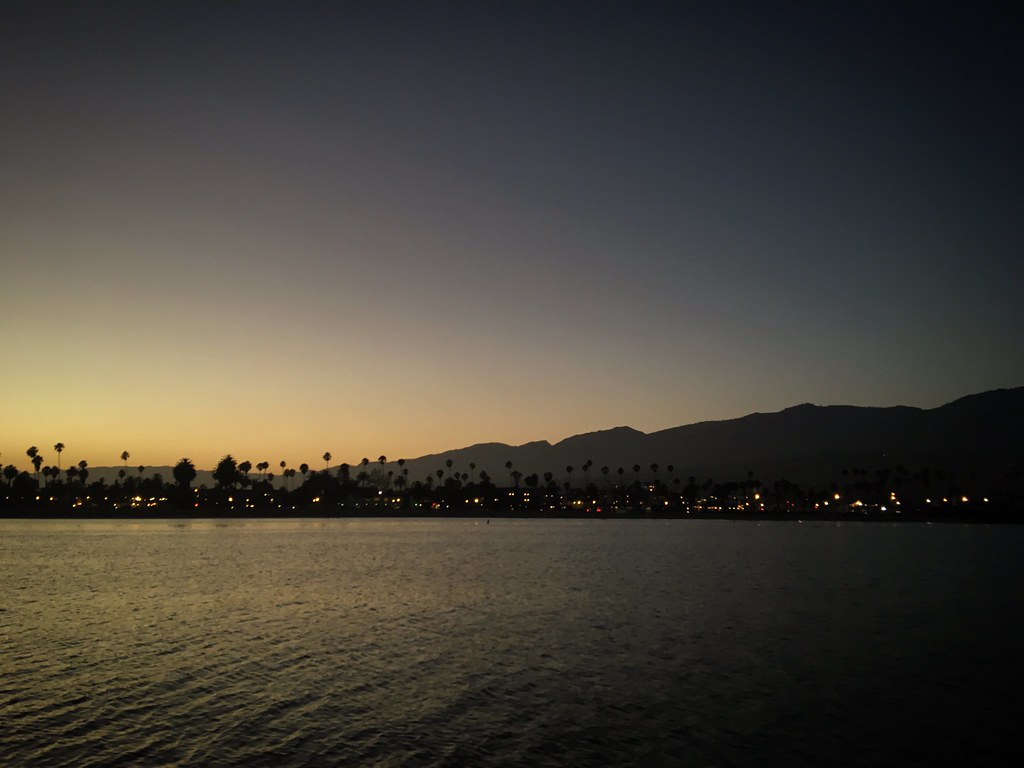
If you’re planning a trip and want to stay close enough to walk to the wharf, the stretch of hotels along Cabrillo Boulevard — the road that runs along the beach — puts you within a 5-10 minute walk. This is the most convenient location for anyone who wants easy wharf and beach access without driving every time. Search hotels near Santa Barbara Harbor to see what’s available for your dates — rates vary a lot by season, and booking early for summer weekends is worth it.
Beyond the wharf, the rest of Santa Barbara is easy to reach. State Street is a 10-minute walk north. The Funk Zone — the city’s food and wine neighborhood — is a few blocks east of the wharf area. If you’re staying for a few days and want to explore beyond the waterfront, check out our guides to the Funk Zone and the Santa Ynez Valley for day trips.
One more thing worth saying: Stearns Wharf is worth visiting, and it’s also just one piece of what makes this stretch of California coast worth your time. The mountains are 20 minutes north. The wine country is 40 minutes. The Channel Islands are a ferry ride away from nearby Ventura Harbor. We live here because all of it is accessible from a small city that somehow hasn’t gotten impossible. The wharf is a good starting point. Start there, then let Santa Barbara pull you in.
Ready to plan your visit? Find a hotel near the harbor and use it as your base for everything the city has to offer.