
Plan your visit to Sunstone Winery in Santa Ynez with this local’s guide: what to taste, when to go, cave tours, and how to make the most of one of Santa Barbara’s most beautiful wineries.
The Best Sunstone Winery Guide for an Amazing Tasting Visit
Most wineries in the Santa Ynez Valley sell you the landscape and hope the wine earns its keep. Sunstone Winery does both. The estate sits just outside Santa Ynez town on a narrow road that dead-ends at a stone wall and an olive grove, and before you’ve tasted anything you already feel like you’ve gone somewhere. The buildings are sandstone and rough-hewn wood, the barrel cave is actual limestone, and the vineyard stretches up a gentle slope behind the tasting room in a way that makes it easy to forget you’re 45 minutes from Santa Barbara.
What sets Sunstone apart from its neighbors — Firestone, Beckmen, Sanford — is the varietal focus. While most of the valley leans hard into Pinot Noir and Syrah, Sunstone plants Bordeaux varieties: Cabernet Sauvignon, Cabernet Franc, Merlot, and Malbec. It’s a different winemaking bet on the same terroir, and one that pays off particularly well in the estate’s Cab Franc program. If you’ve been tasting Pinot all weekend in Los Olivos, Sunstone gives you something genuinely different to think about.
This guide covers what to taste, when to visit, how to book, and everything else that makes the difference between a good trip and a great one. Prefer to let someone else do the driving? Browse guided Santa Ynez Valley wine tours — the best operators build their routes around estates like Sunstone and handle the logistics so you can focus on the glass.
About the Estate
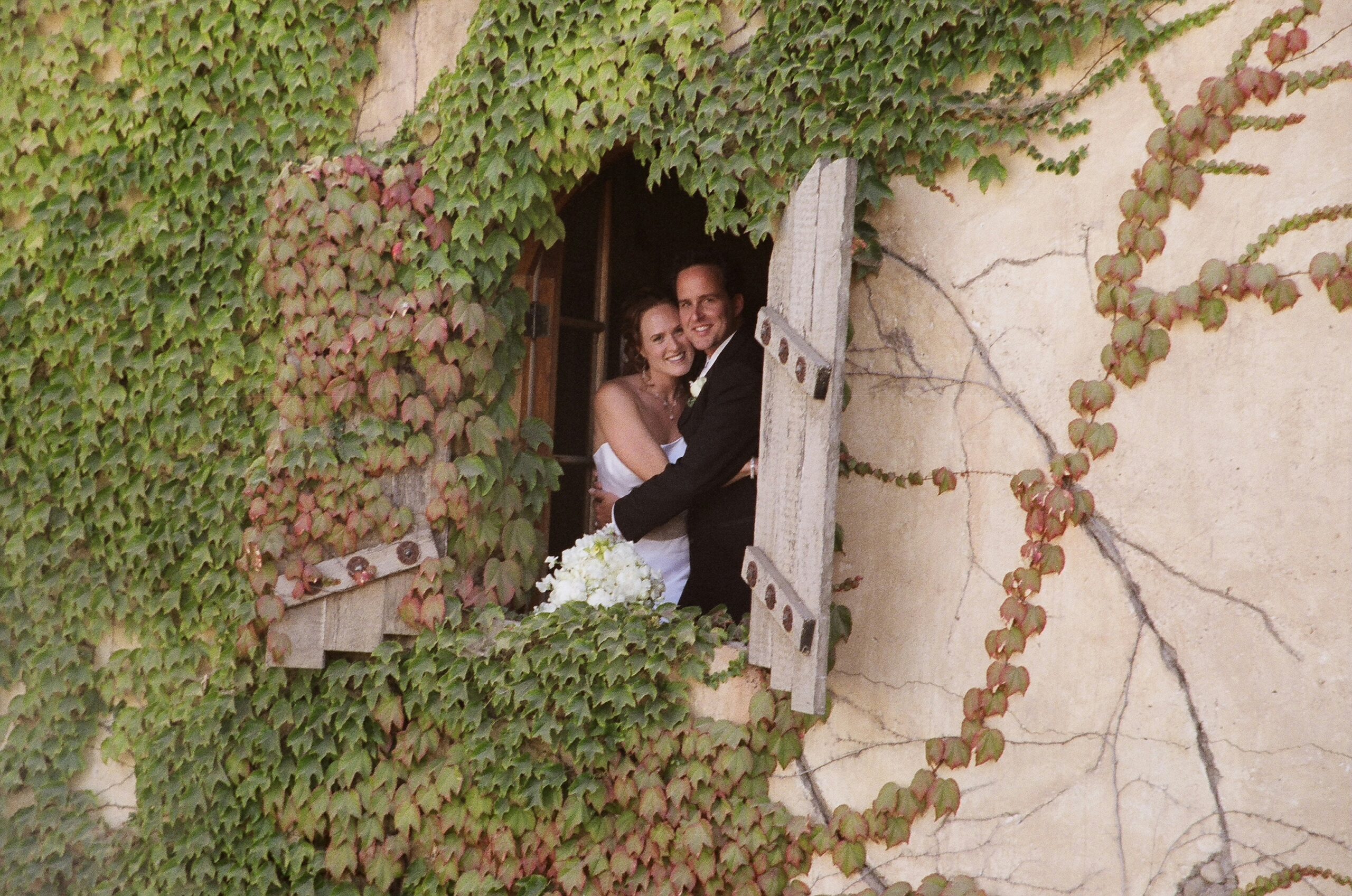
Sunstone was founded in 1989 by Fred and Linda Rice, who planted the first vines on what had been a working cattle ranch. The original vision was Provençal — stone architecture, an underground barrel cave, olive trees, lavender — and that vision has held. The main tasting structure, built from sandstone quarried nearby, has the kind of weight to it that takes decades to develop and can’t be faked with a renovation budget.
The estate is certified organic. That matters practically, not just philosophically: you can walk the vineyard rows without worrying about what’s been sprayed, and the winery doesn’t use synthetic additives in the cellar. The wines have more texture and variation from vintage to vintage than highly manipulated wines do, which means your experience in a hot October will be different from a cool September — and that’s the point.
The barrel cave is one of Sunstone’s signatures. It runs about 140 feet into the hillside under the main building, maintains a constant 58 degrees, and holds the estate’s red wines while they age. When cave tours are running — typically offered on weekends — they’re the most interesting 20 minutes you’ll spend at any tasting room in the valley. You walk the length of the cave past stacked French oak barrels, the guide explains the vintage that’s resting in each row, and you taste directly from the barrel if the timing is right. Call ahead to confirm availability before you build your day around it.
The property is also a wedding venue, which is relevant to your planning: on some weekends the estate closes part of its facilities to accommodate events. Check the Sunstone website before booking your visit, particularly in spring and fall when the grounds are most in demand. A phone call is faster than the website — the tasting room staff will tell you immediately whether Saturday is clear.
What to Taste
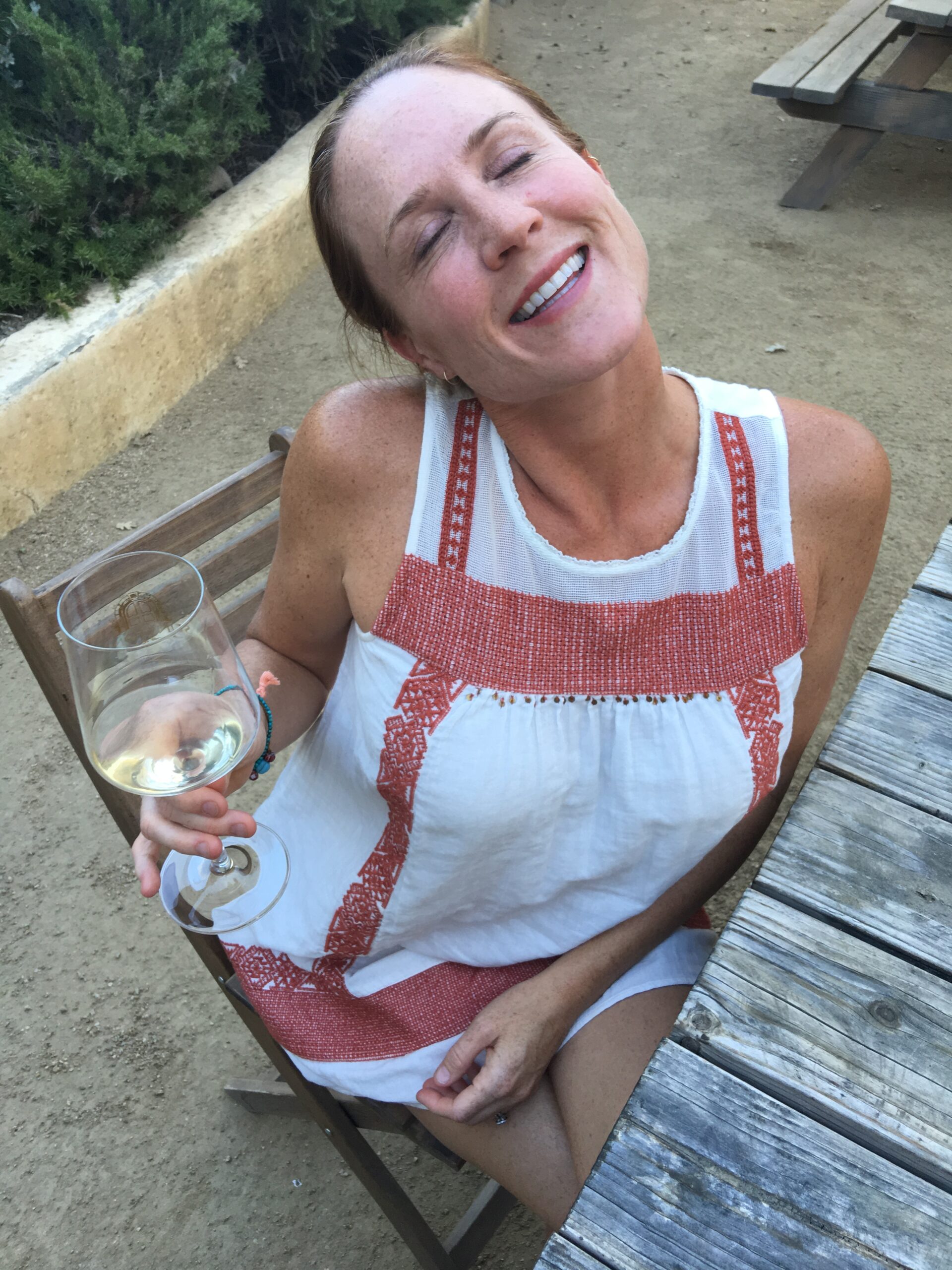
The standard tasting at Sunstone runs five wines and covers the estate range. If you’re visiting once and want to understand what Sunstone does well, ask for the flight that includes the Cabernet Franc and the Merlot. Those are the wines that have driven the estate’s reputation, and they’re the ones that show most clearly what organic farming in the Santa Ynez Valley can produce when you’re working with Bordeaux varieties instead of chasing Pinot.
The Estate Cabernet Franc is the bottle to walk out with. It’s not the heavy, extracted style some wineries use to make Cab Franc approachable — it’s more structured, with a savory herbal quality that comes through especially in warm vintages. If the reserve version is available for tasting, try it: the difference between the standard and reserve in Sunstone’s Cab Franc program is more pronounced than at most estates. You can usually find it in the cave-level tasting when tours are running.
The Merlot is the most reliably consistent wine in the portfolio across vintages. It doesn’t make a strong first impression — it’s not a showy wine — but it’s the one that people open six months after buying and realize was a better purchase than they understood at the tasting. Buy two bottles if you like it.
The Cabernet Sauvignon needs the most cellar time of the estate wines, and if you taste it within a year or two of the vintage, that’s worth keeping in mind. The tannins are firm in younger versions. If the library is open, ask whether there’s an older vintage available — the 2016 and 2017 Santa Ynez Valley Cabs from several producers in the valley are showing well now, and Sunstone’s are no exception.
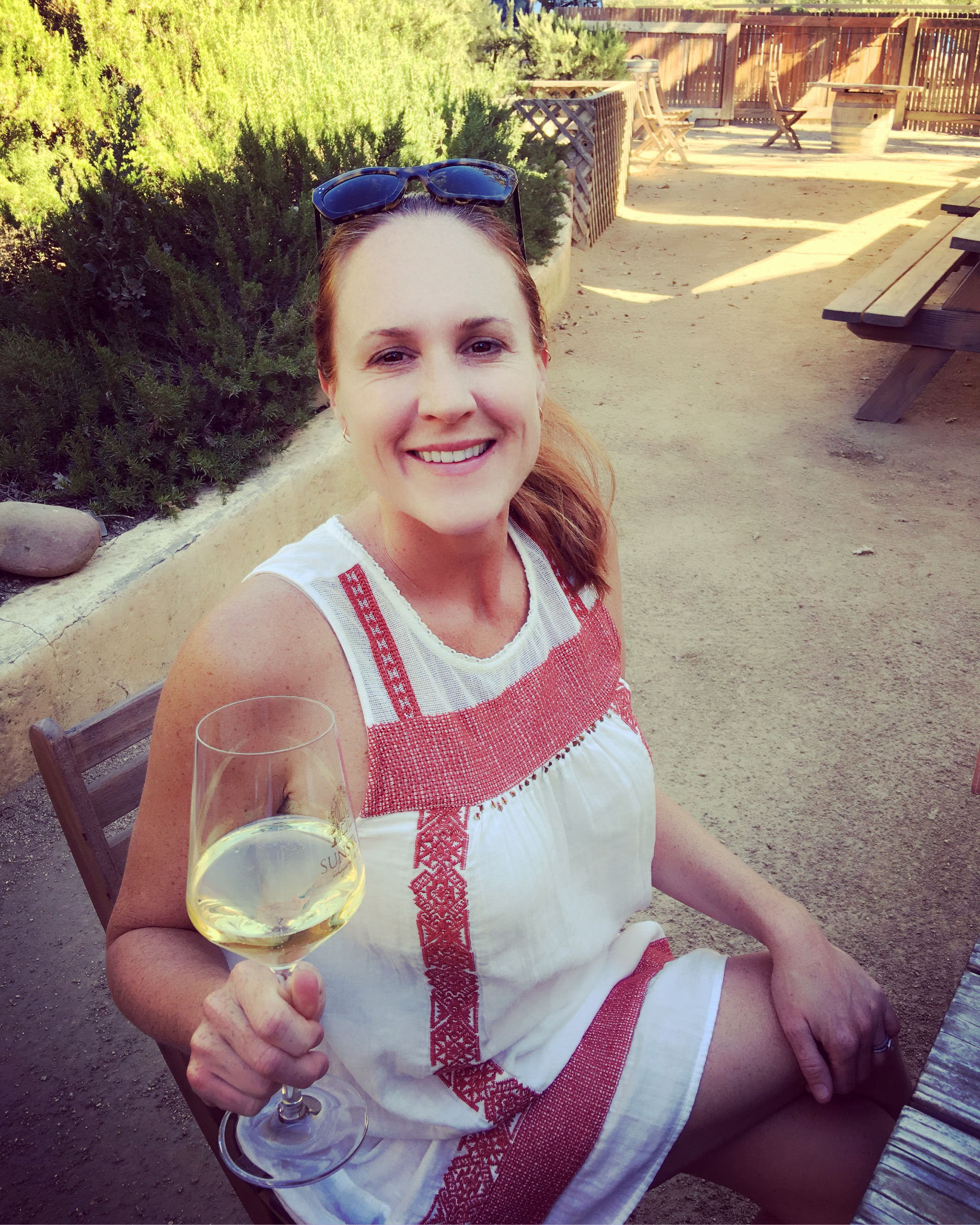
The white wines — a Viognier and a Rosé — are solid warm-weather options if you’re visiting in summer. They’re not the reason to come to Sunstone, but they’re well-made and good on the outdoor terrace when it’s hot. The Rosé in particular has become a reliable seller for the estate and is well-suited to the lavender-and-olive-trees setting. Book a guided Santa Ynez Valley wine tour if you’d rather have someone else drive between estates — you’ll cover more ground and can focus entirely on what’s in the glass.
Planning Your Visit
Sunstone is at 125 Refugio Road in Santa Ynez, about 2 miles east of the town center. The drive from Santa Barbara on Highway 154 over the San Marcos Pass takes about 40 minutes. If you’re coming from Solvang, it’s closer to 15 minutes east on Highway 246. Either way, you won’t need a navigation app once you’re in the valley — the road signs for local wineries are reliable.
Hours: Daily 10am–5pm, though these can vary during private events. The estate recommends calling ahead on weekends to confirm the tasting room is open and not reserved for a wedding or private event. The phone number is on the Sunstone website and staff are quick to pick up on weekday mornings.
Reservations: Sunstone generally accepts walk-ins on weekdays. On Saturdays and Sundays during harvest season (September through November), reservations are strongly recommended and sometimes required. The tasting room fills quickly on clear October days when every winery in the valley is at capacity. Book online through the Sunstone website or call the estate directly.
Tasting fees: The standard tasting is in the $25–$35 range; reserve and cave tastings run higher. Fees are typically waived or credited toward a bottle purchase with a minimum buy. Joining the wine club waives the fee on future visits, which is worth considering if you’re planning to come back.
Parking: Free, on-site, and generally ample except during large events. You can usually tell from the road whether the lot is at capacity — if it is, come back in an hour. That gives you time to drive into Santa Ynez town for lunch at the Santa Ynez Inn or a sandwich at the general store on Sagunto Street.
If you’re driving yourself, keep the late-afternoon Highway 154 drive in mind. The pass is winding and the sun angles directly into westbound lanes in the hours before sunset. Start heading back toward Santa Barbara by 4pm if you can. If your group has been tasting all day, book a round-trip tour from Santa Barbara instead of driving yourself. Browse round-trip wine country tours from Santa Barbara — having a driver changes the whole math on how much you can actually enjoy, and the better tours include Sunstone on their route.
The Cave Tour Experience
The barrel cave is what most people remember about Sunstone, and for good reason. It’s not a theatrical staging — it’s a working cave where the estate ages its reds, and the temperature and humidity down there produce a genuinely different sensory experience than any above-ground tasting room. Walking in from 85-degree October heat and immediately dropping 25 degrees while your eyes adjust to the dim light is one of the more memorable ways to start a wine tasting.
Cave tours run on weekends and require advance booking. They’re limited to small groups — usually six to eight people — and run about 20 to 25 minutes before transitioning to the tasting. The guide walks you through the estate’s winemaking philosophy, explains the vintage history in the barrels you’re standing next to, and, when it’s available, will pull a bung and let you taste directly from the barrel. That barrel sample is the most interesting part: the wine is unfinished, tannic, and tastes nothing like what you’ll buy at the counter, but it’s a useful anchor for understanding what aging actually does to a young red.
If cave tours are fully booked for your visit date, the standard tasting room is a fine alternative — it’s just a different kind of experience. The outdoor terrace overlooking the vineyard is particularly good in late afternoon when the light softens across the valley. That view alone earns the stop. Book a wine country tour that includes a cave tasting — guided groups often get priority access to the cave experience that walk-ins miss.
When to Go
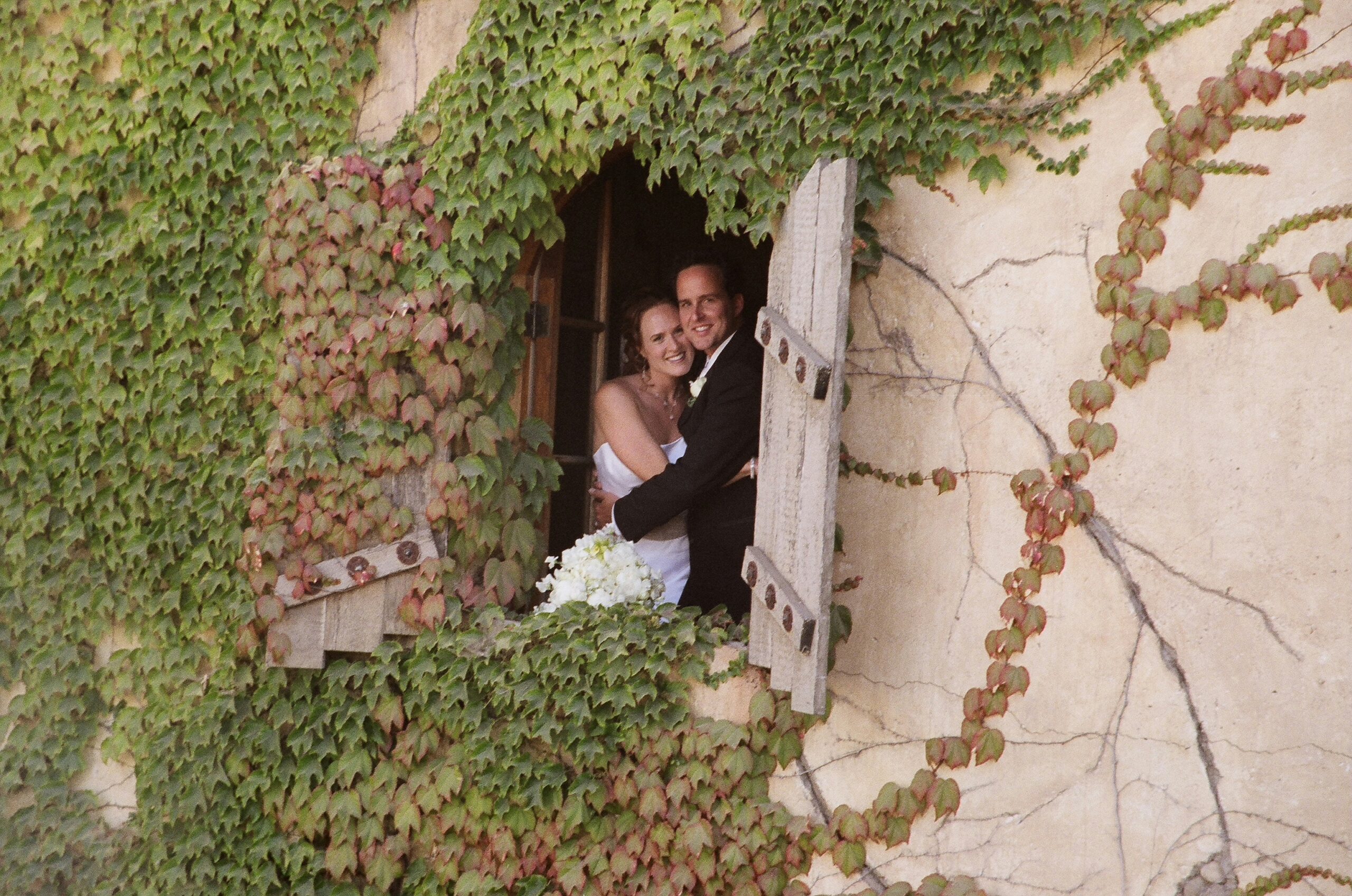
September and October are the best months to visit Sunstone and the Santa Ynez Valley generally. Harvest is happening in the vineyard, the weather is warm and clear, and the winemakers are on-site in a way they aren’t in winter. You may be able to watch picking operations if timing aligns, and the estate atmosphere during crush is charged in a way that’s hard to replicate other times of year.
The trade-off is crowds. Fall harvest weekends are the busiest of the year across the Santa Ynez Valley, and Sunstone draws well enough that walk-in tastings on peak Saturdays in October can mean a wait. Plan to arrive when the tasting room opens at 10am, book the cave tour in advance, and treat late morning as your best shot at a less rushed experience.
June through August is warm and the grounds are at their most lush. Expect more visitors and higher hotel prices in Solvang if you’re staying overnight. The plus side: the rosé and Viognier show particularly well in summer heat, and the outdoor terrace is worth lingering on when the vines are green and full.
Winter visits — November through February — mean smaller crowds, more attentive service, and the chance to actually talk with tasting room staff rather than waiting while they handle six other tables. The vines are dormant, which is less visually dramatic, but the wines pour the same. If your goal is a serious tasting rather than the full estate-in-bloom experience, a clear Thursday in January will get you a better conversation than a Saturday in October.
Book a Solvang hotel for your wine country stay — harvest weekends in September and October fill out weeks ahead; the boutique properties near Los Olivos go first.
How Sunstone Fits Into a Valley Day
Sunstone works best as the second or third stop in a valley day, not the first. The estate’s Bordeaux focus is easier to appreciate after you’ve tasted a few Pinots and Syrahs — the contrast with what the rest of the valley is doing makes the Cab Franc and Merlot read more clearly. Lead the day with Beckmen or Stolpman, spend the middle of the afternoon at Sunstone, and finish in Los Olivos if you want to walk the main street and browse the tasting rooms there on foot.
Two wineries in the valley that pair naturally with a Sunstone visit:
Beckmen Vineyards — biodynamic farming, excellent Syrah, beautiful grounds with a duck pond and old oak trees. About 10 minutes north of Sunstone near Los Olivos. Arrive early on weekends for the quieter experience. Their Purisima Mountain Vineyard Syrah is the anchor purchase.
Sanford Winery — west toward the Santa Rita Hills, about 20 minutes from Sunstone. Richard Sanford planted Pinot Noir in the Santa Rita Hills before anyone believed it would work, and the La Rinconada vineyard is still producing some of the best Pinot in California. If you’re serious about the region’s history, this is the pilgrimage stop.
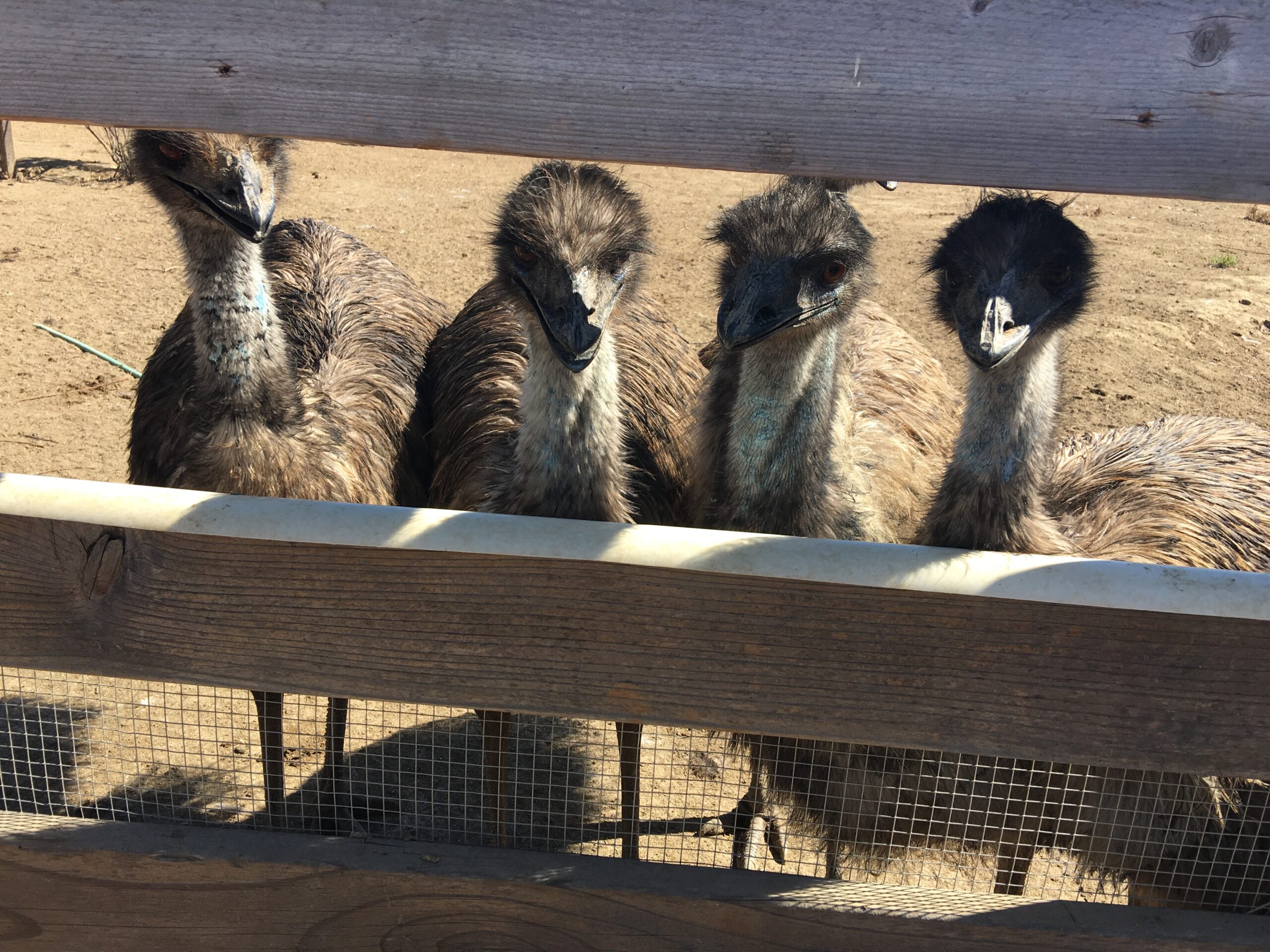
Between wineries, a detour to the Santa Ynez Ostrich Farm on Refuge Road — actually not far from Sunstone — is worth it if you’re traveling with anyone who needs a break from tasting rooms. It’s a working farm where you can feed and walk with the birds, and it’s the kind of only-in-the-valley experience that ends up being more memorable than another glass of Cabernet. [INTERNAL: santa-ynez-valley-guide]
Wine Club and Direct Purchases
Sunstone’s wine club ships directly to California and most other states. The club tiers vary by bottle count and include complimentary tastings for members on future visits — worth considering if you’re buying more than three bottles at a time and plan to come back. The tasting fee waiver alone pays back the membership cost quickly if you’re a regular visitor to the valley.
If you’re buying bottles to take home, ask the tasting room staff about the current vintage releases and what’s drinking well now versus what will benefit from more time. They’re reliable about this — it’s not in their interest to push you toward a wine that needs three more years in a cellar you don’t have. The Merlot is usually the safest choice for drinking within a year; the Cabernet Sauvignon and reserve Cab Franc reward patience.
Shipping wine home from the valley: most wineries will ship to your address, but summer and early fall transit heat is a real risk. If you’re buying more than you can carry, ask about packing in a thermal shipper versus standard cardboard. Some wineries will hold your bottles and ship in cooler weather if you ask. Alternatively, a good insulated wine tote handles the drive home and the flight back reliably for up to four or six bottles.
Getting There and Getting Around
Sunstone Winery is at 125 Refugio Road, Santa Ynez, CA 93460. From Santa Barbara, take Highway 154 north over the San Marcos Pass — it’s a winding road with beautiful views and takes about 40 minutes to the winery. From Solvang, take Highway 246 east for about 10 minutes, then turn north on Refugio Road.
If you’re planning to visit multiple wineries, a designated driver or a guided tour is the practical call. Sunstone to Beckmen to Stolpman covers three different flavor profiles and about 15 miles of valley roads — manageable on its own, more enjoyable when someone else is navigating. Browse small-group wine tours from Santa Barbara — the better operators include Sunstone or comparable Bordeaux-focused estates on their routes, and they know when to arrive to avoid event-day closures.
For accommodations: Solvang is 15 minutes west and has the most hotel inventory in the valley. Los Olivos has a handful of small inns and vacation rentals that put you closer to the tasting room cluster. Santa Barbara city is the right base if you want the urban wine trail Friday evening and the valley Saturday. Check Solvang hotel availability — rates are reasonable mid-week; weekends during harvest go fast.
Final Thoughts
Sunstone is not the flashiest winery in the Santa Ynez Valley and it doesn’t try to be. It’s the kind of place that earns its reputation incrementally — through consistently good Bordeaux-variety wines made on land that looks the same whether a film crew is there or not. The cave, the stone buildings, and the organic farming are genuine commitments that go back to the estate’s founding, not recent rebranding.
If you’re planning a wine country visit and your tasting history skews toward Pinot and Chardonnay, Sunstone is the estate most likely to change your thinking about what Santa Barbara County can do with different grapes. The Cab Franc in particular is worth the drive by itself.
Reserve your cave tour before the weekend, call ahead to confirm no events have displaced the tasting room, and arrive early if you’re coming in October. Everything else will take care of itself. Book your Solvang base now and plan to stay two nights — one day in the valley is never enough once you’re actually there.

